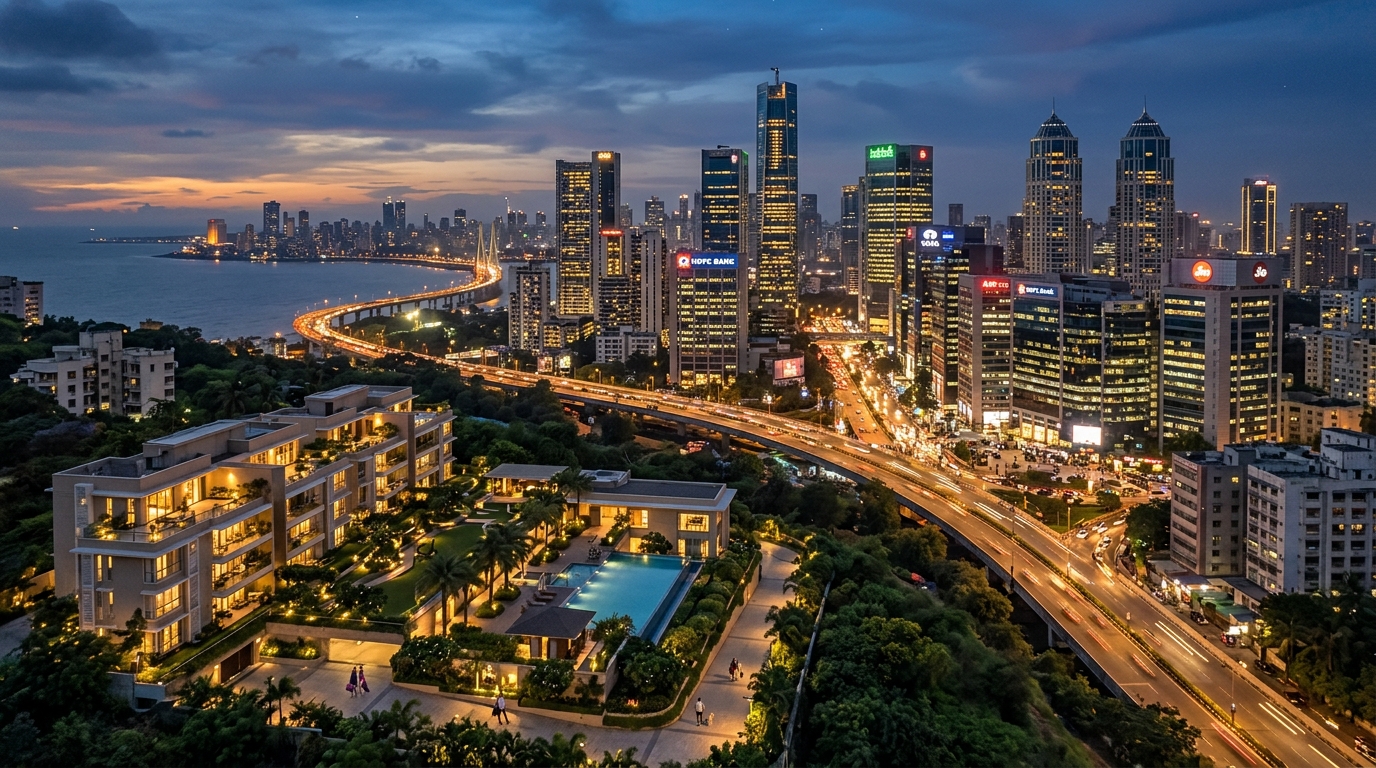
October 2026: The Changing Landscape of Indian Real Estate
As we navigate through the final quarter of 2026, the Indian real estate sector is showcasing a fascinating "two-speed" market dynamic. On one hand, we are witnessing a significant cooling in the residential segment, characterized by high inventory levels. On the other hand, institutional investment and commercial real estate demand are surging to absolutely unprecedented heights.
This dynamic creates a complex environment for investors, homebuyers, and developers alike. In this comprehensive guide, we will break down the crucial statistics, the underlying economic factors driving this dual-market reality, and what it means for your portfolio as we head into 2027.
The Residential Slowdown: High Inventory, Resilient Prices
For the past 16 consecutive quarters, new residential project launches have consistently outpaced actual sales. This aggressive development cycle has led to a noticeable build-up in unsold inventory across major Tier-1 metropolitan areas. Cities like Delhi-NCR, Mumbai, and Bengaluru have experienced the sharpest declines in residential sales velocity. Buyers are becoming more cautious, taking longer to make purchasing decisions due to elevated interest rates and global economic uncertainties.
However, it is crucial to note that it's not all doom and gloom for current property owners. Despite the slower sales pace, property prices have demonstrated remarkable resilience. Markets such as Greater Noida and Ghaziabad have even recorded notable annual price increases in Q3 2026. Developers are holding firm on pricing, prioritizing margin preservation over volume sales. This means that while buyers have more options, they aren't necessarily finding deep discounts.
Surging Institutional Investment in Commercial Real Estate
While the residential market catches its breath, the commercial and institutional side of the market tells a completely different, highly optimistic story. During the first nine months of 2026, institutional capital inflows into Indian real estate reached a staggering $5.93 billion. This marks a massive 39% year-on-year increase, signaling immense confidence in India's long-term economic growth story.
Interestingly, domestic investors have emerged as a dominant force in this surge, contributing nearly 60% of these total inflows. This represents a significant shift from previous years where foreign direct investment (FDI) was the primary driver of large-scale commercial real estate funding.
The Rise of Warehousing and Logistics
A major contributor to this institutional boom is the warehousing and logistics sector. Driven by the relentless expansion of e-commerce, quick-commerce, and the government's push for localized manufacturing (Make in India initiatives), the demand for Grade-A warehousing space has skyrocketed. Global logistics giants and domestic 3PL (Third-Party Logistics) providers are leasing massive tracts of space across the peripheral areas of major cities.
Investors are recognizing that logistics real estate offers stable, long-term yields that often outperform traditional office or retail spaces. As supply chains become more sophisticated and consumer expectations for rapid delivery increase, this asset class is expected to remain a darling of institutional capital for the foreseeable future.
What This Means for Retail Investors in 2026 and Beyond
For individual investors, navigating a two-speed market requires a strategic shift. If you are looking at the residential market, it is currently a buyer's market in terms of choice, but not necessarily in terms of price. Patience and deep due diligence are essential. Look for properties by reputed developers with a strong track record of delivery, as project delays are becoming a concern for highly leveraged builders.
Alternatively, retail investors should seriously consider diversifying into the commercial space through Real Estate Investment Trusts (REITs) or fractional ownership platforms. These avenues allow individual investors to participate in the lucrative commercial and logistics boom without requiring the massive capital outlay traditionally needed to buy a commercial building.
Conclusion: A Maturing Market
The "two-speed" nature of the October 2026 Indian real estate market is a sign of a maturing industry. It is no longer a monolithic entity that rises and falls together. Different asset classes are responding to distinct macroeconomic drivers. By understanding these nuances—the cooling but stable residential sector and the booming institutional commercial sector—investors can make informed, profitable decisions as we move towards 2027.
Stay tuned to ListItNow.in for the most up-to-date analysis, property listings, and expert insights into the dynamic world of Indian real estate!